


 Home
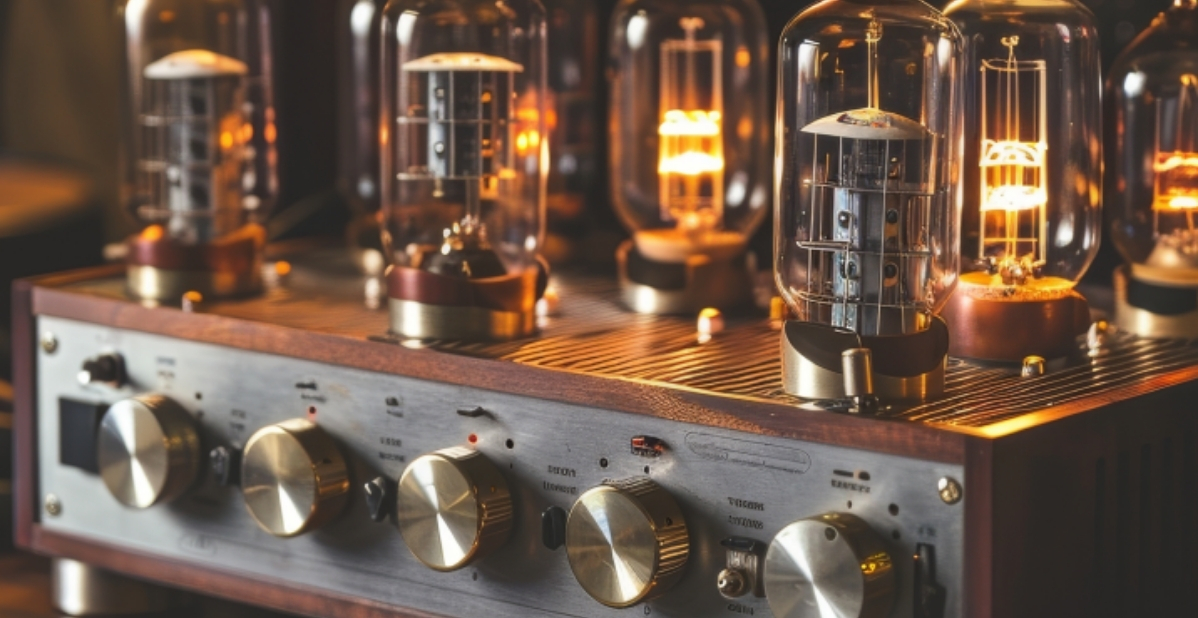
HomeAudio amplifiers are essential in audio systems, designed to increase weak audio signals to drive speakers and produce sound. While each type of amplifier boosts audio, the way they handle signals, manage heat, and affect audio quality varies significantly, leading to different classes of amplifiers with unique advantages and trade-offs. The main amplifier types—Class A, B, AB, and D—offer differences in sound fidelity, efficiency, and practicality which may affect which design is best according to various audio applications.
But the general performance needs are still the same across amplifier types. How well does the device filter for noise? What's the frequency response? Is the gain linear? Evaluating these performance metrics requires rigorous testing, and that's where the very nuanced measurement tactics and tools for amplifiers come into play.
Application Note: Testing Power Amplifiers
Power amplifiers present a unique set of testing challenges that are usually not encountered when working with digital or low-level analog circuits, due to the fact that they must supply significant current as well as voltage to their loads. Factors such as power supply current and voltage limitations, thermal characteristics of the output devices and associated heatsinks, and the resistive and reactive components of the load must be considered during testing to produce meaningful results.This paper covers the fundamental measurements for testing power amplifiers, with specifics on how to best accomplish the tests using APx hardware and software.
Additional Resources
Visit Our Technical Library
Measuring Switch-Mode Power Amplifiers
Switch-mode audio power amplifiers became popular due to their smaller size, lower weight, and improved efficiency. While they have advantages in low-power, battery-operated devices like laptops and personal audio players, switch-mode amplifiers are also progressively displacing more traditional linear designs in mainstream applications where high-quality audio is important.
Download Now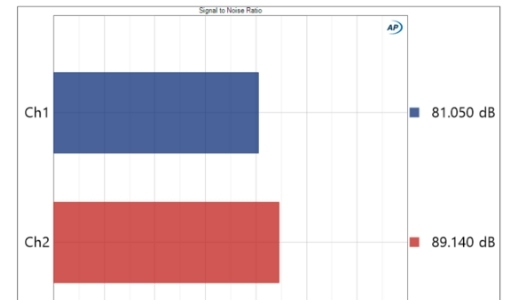
Measuring Microphone Preamplifier Noise
Making noise measurements of microphone preamplifiers (and other high-gain circuits) involves special techniques that differ from those used to measure low-gain devices. This technote explains the theory as well as how to make these measurements.
Download Now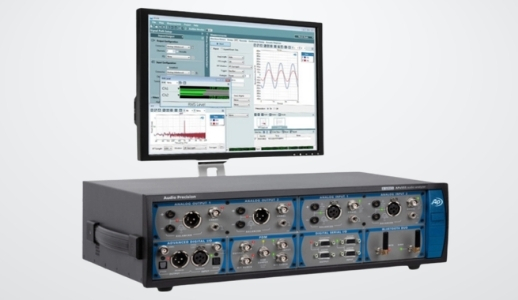
Measuring Low-Power ADCs with the APx555 ADC Test Option
Technote 136 explains how to test a low power audio IC device with ADC Test option-equipped B Series APx555 audio analyzer (or Legacy APx555 with enhanced analog generator (EAG) upgrade and ADC test option).
Download Now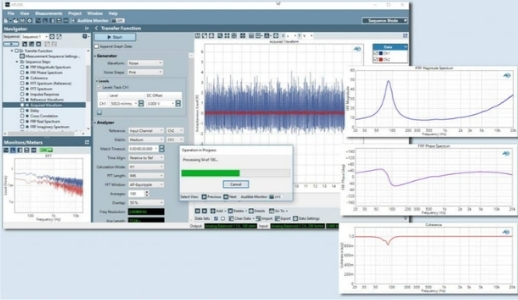
Transfer Function Measurements with APx Audio Analyzers
Technote 138 discusses the Transfer Function measurement in the APx500 audio measurement software. We provide background information on transfer function measurements in general, followed by some practical examples of applying this measurement technique to some difficult audio test problems.
Download Now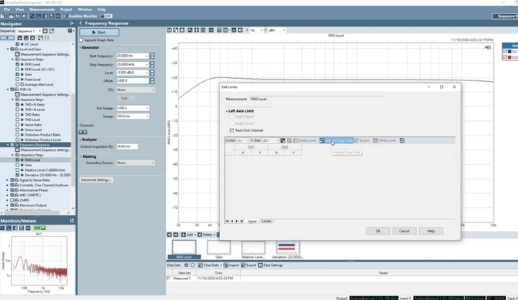
Stereo Power Amplifier Test
In this video overview, an Audio Precision expert demonstrates how to measure stereo power amplifier performance using an APx515B series audio analyzer and APx500 software, providing valuable insights into device evaluation.
Read NowAudio Amplifier Testing Solutions
Browse All Products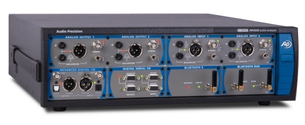
APx555B
The standard in performance and versatility in audio analysis. High-performance, modular two-channel audio analyzer.
APx58xB
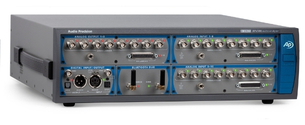
Channel count meets broad range of digital I/O for simultaneous, multichannel audio test. 8 or 16-channel modular audio analyzers.
Learn More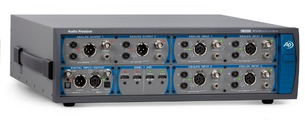
APx52xB
The ideal balance of analog performance and breadth of digital I/O. Modular, 2- and 4-channel performance audio analyzers.
Learn More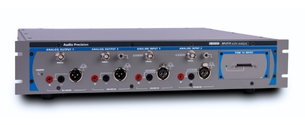
APx516B
Value oriented, with flexible digital audio connectivity for testing consumer electronic devices and other applications.
Learn More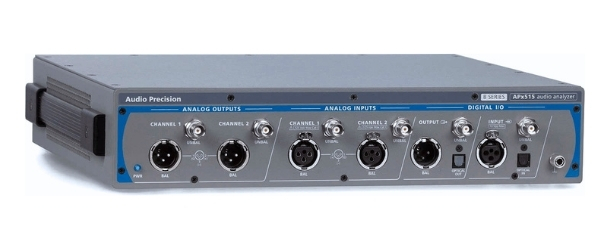
APx515B
A two-channel analyzer for production testing and entry-level R&D. Pairs speed, performance, reliability, and ease of use.
Learn More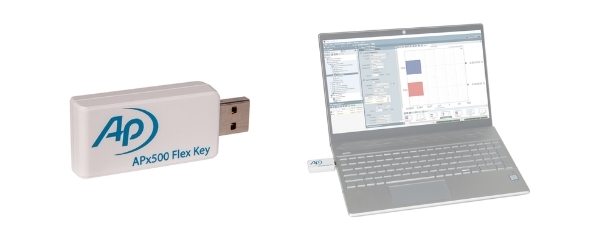
APx500 Flex
APx500 Flex Keys let you select any ASIO-capable audio interface for use with the APx audio measurement software.
Learn More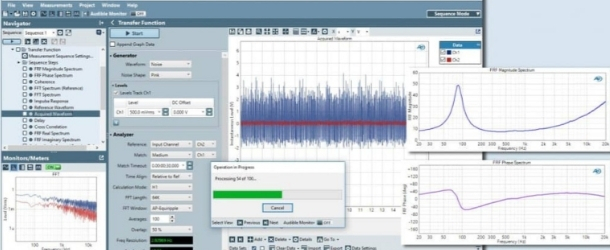
APx500 Software
APx500 is a powerful and versatile audio measurement software platform designed by AP, serving as a common software platform for all APx audio analyzers.
Learn MoreTesting Audio Power Amplifiers with APx Analyzers
In this session, Audio Precision General Manager and industry expert Daniel Knighten provides insights into the fundamental measurements needed for designing and manufacturing audio power amplifiers. Whether you're new to testing audio power amplifiers or want to deepen your understanding of the fundamental measurements used to test these devices in APx analyzers, this webinar will equip you with valuable information.
Frequently Asked Questions About Amplifier Testing
Class A amplifier: Class A amplifiers operate with current flowing continuously through output transistors, resulting in smooth, linear signal amplification. Known for their excellent sound quality with very low distortion, Class A amplifiers are inefficient, generating significant heat and consuming more power. They’re favored in high-end audio systems where fidelity is paramount.
Class B amplifier: In Class B amplifiers, two transistors each handle one half of the audio waveform. This design greatly improves efficiency but can cause “crossover distortion” at the point where the two halves of the signal meet, which may compromise audio quality.
Class AB amplifier: By combining the principles of Class A and Class B, AB class amplifiers reduce crossover distortion and improve efficiency. They’re a balanced choice for both home and professional audio systems, offering good sound quality with moderate power consumption.
Class D amplifier: Known for their high efficiency, Class D amplifiers use pulse-width modulation (PWM) to switch transistors on and off rapidly. This design minimizes heat and makes Class D amplifiers ideal for portable and high-power applications, with modern versions producing excellent audio quality.
Measurement setup is critical for nearly all applications, and for amplifiers this is no different. Audio analyzers are highly effective tools for audio power amplifier measurements, as they can handle the wide voltage and frequency ranges commonly seen in audio amplifier testing.
Read More ›Amplifier testing is unique among audio measurements because of the high power levels involved, as well as the amplifier’s direct effect on audio signal quality across various loads and conditions. Measuring amplifiers requires precision and careful calibration, as tests need to address how amplifiers manage power, distortions, and noise under realistic conditions. Amplifier tests are usually conducted at an output power of 1 watt as a standard reference level and can be done using an Audio Precision analyzer along with the APx500 measurement software.
Read More ›