


 Home
HomeSmartphones and smart speakers have made MEMS microphones essential for everyday life. The heart of any smart device is the Intelligent Virtual Assistant (IVA) that enables the use of voice commands to direct the device to do everything from playing audio content to providing a weather forecast. These voice commands are acquired via the integrated MEMS microphone or, more likely, an array of such mics.
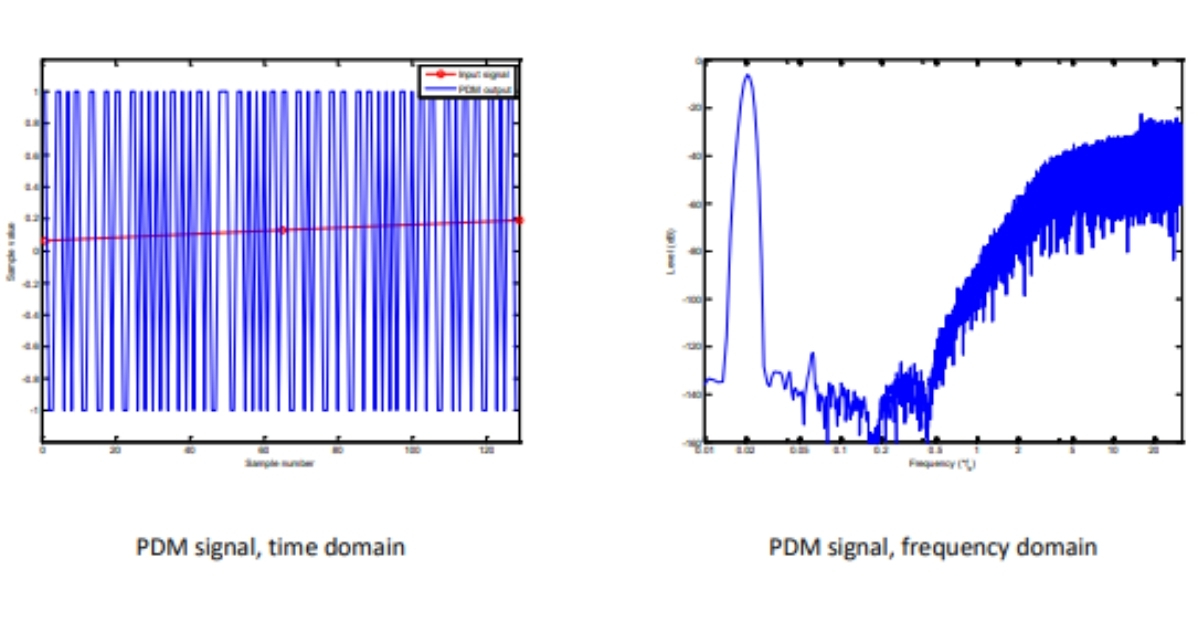
Understanding PDM Digital Audio
Pulse Density Modulation (PDM), which uses only one bit to convey audio, is simpler in concept and execution than Pulse Code Modulation (PCM). It is a popular way to deliver audio from microphones to the signal processor in mobile telephones. PDM is ideally suited for this task because it brings the benefits of digital, such as low noise and freedom from interfering signals, at low cost. This document will cover the basics of PDM: how it is generated, transmitted, and manipulated.
Additional Resources
Visit Our Technical Library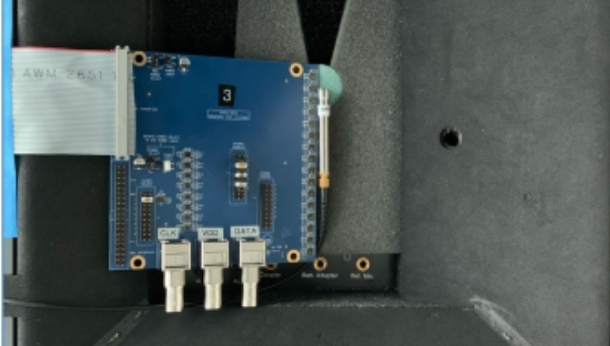
Testing Microphone Arrays with the APx PDM 16 Module
In this technote, we discuss MEMS microphone array measurements and use a test board with 16 PDM mics configured in a line array to illustrate the typical measurements.
Download Now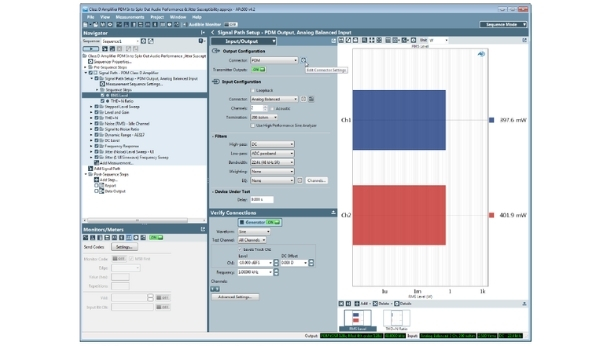
Jitter Testing of PDM Devices
This technote focuses on on jitter and related audio tests of PDM-interfaced integrated circuit components such as MEMS microphones, low-power amplifiers, and audio processors intended for mobile products.
Download Now
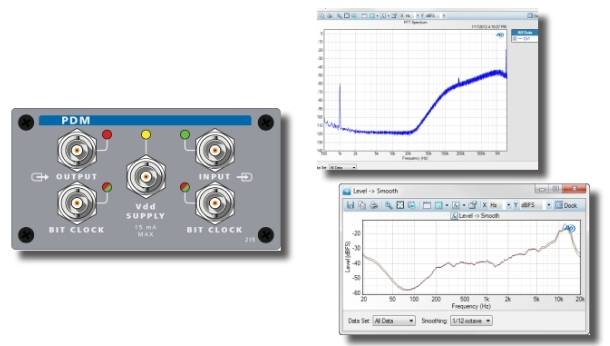
Measuring PDM Microphones and Inputs with APx
This Technote focuses on microphone components and/or the devices that utilize them, such as smartphones, tablets, and notebook computers.
Download Now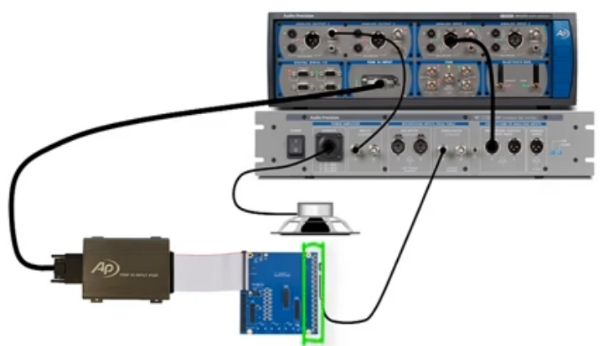
APx PDM 16 Module Overview
This quick tip video offers an overview of the APx PDM 16 module, developed for testing MEMS microphone arrays and other high channel count PDM output devices.
Download Now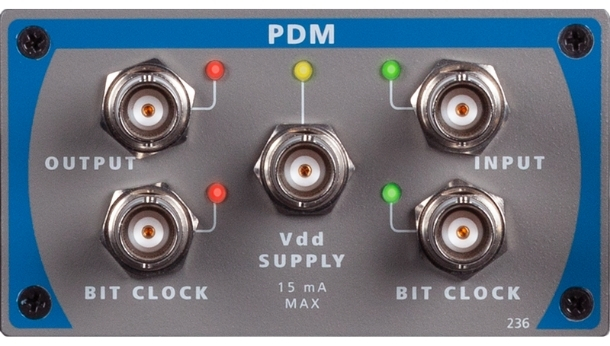
PDM I/O Module
The APx PDM option provides direct connectivity for audio devices that have a PDM output (such as a MEMS microphone) or input (such as the decimator on a smartphone chip).
Learn MoreMEMS Microphones & Mic Arrays Testing Solutions
Browse All Products
APx555B
The standard in performance and versatility in audio analysis. High-performance, modular two-channel audio analyzer.
APx58xB
Channel count meets broad range of digital I/O for simultaneous, multichannel audio test. 8 or 16-channel modular audio analyzers.
Learn More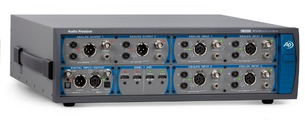
APx52xB
The ideal balance of analog performance and breadth of digital I/O. Modular, 2- and 4-channel performance audio analyzers.
Learn More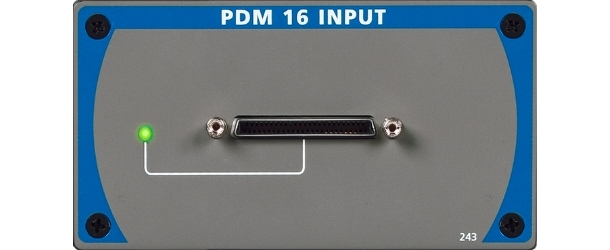
APx PDM 16 Module
Comprised of the input module installed in the analyzer, a remote interface pod and an extension cable, this module provides sample-accurate inter-channel phase information for up to 16 channels.
Learn More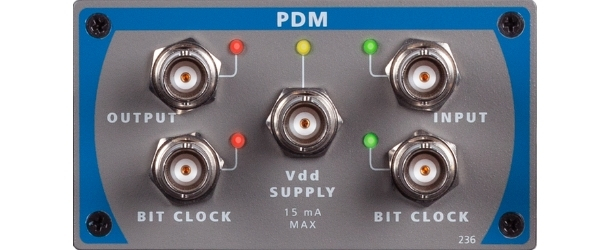
APx PDM Module
PDM (mono or stereo) can be selected for both the analyzer inputs and outputs simultaneously or paired with any of the other available I/O formats: analog (bal/unbal), AES or S/PDIF digital, Bluetooth, HDMI, or serial digital.
Learn More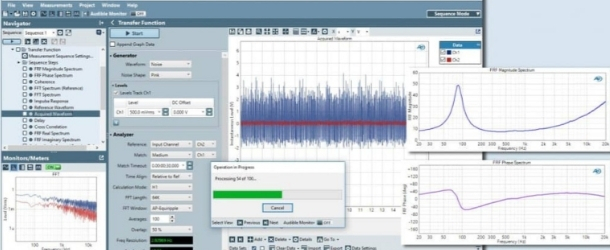
APx500 Software
APx500 is a powerful and versatile audio measurement software platform designed by AP, serving as a common software platform for all APx audio analyzers.
Learn MoreMeasuring MEMS Microphones Using APx500 Multi-Input
In this Audio Test Session with APx, we discuss the measurement of MEMS microphone performance and include a demonstration of the multi-input feature, and it's accompanying sensitivity derived result. The transfer function measurement and multi-input are also used to show the relationship between multiple microphones.
Frequently Asked Questions About MEMS Microphones & Mic Arrays
Micro-electromechanical system (MEMS) mics are extremely small mics that are used in a wide range of applications and use a pulse density modulation (PDM) stream as their digital output. MEMS mics are integral components in a wide range of products and systems, including hearing aids, mobile computing, automotive and IOT systems.
The use of multiple mics in a smart device can provide distinct benefits to the end product—for example, using multiple mic inputs for improved signal-to-noise ratio (SNR). It also complicates the testing process used to evaluate and characterize designs owing to the need for simultaneous, multichannel measurements. Additionally, engineers developing systems using beamforming mic arrays, and other DSP-based multichannel audio acquisition applications, depend on a true representation of phase alignment of the input channels to validate their algorithms and designs.
Most Pulse-Density Modulation (PDM) microphones exhibit extremely good stability, as the MEMS device's diaphragm is etched directly from a silicon wafer. Unlike mylar, this material should not exhibit sensitivities to temperature, humidity, or age. However, this is our opinion based on anecdotal experience working with MEMS microphones. Please note that we have not conducted any methodical study of MEMS microphone calibration requirements.
Learn More ›When testing microphones or systems with embedded microphones (such as a hearing aid or a mobile device), it is essential that frequency response of the power amplifier, the loudspeaker and the acoustic chamber be characterized and compensated for in the stimulus signal, so that the response of the system under test can be accurately measured. This process is called “leveling the acoustic output.”
In APx, this process requires characterizing the system response using a measurement microphone and a measurement such as Frequency Response or Acoustic Response. The measured response curve is exported, and then imported into the Output EQ and inverted in order to achieve a leveled acoustic output.
This is best performed in the Acoustic output and Acoustic input configurations, normalizing the level with Auto Gen Level before the characterization sweep, and again after the Output EQ is applied.
Learn More ›An APx audio analyzer with PDM 16 is well suited to research and development of products that use microphone arrays. In addition to a variety of useful audio measurements, the system offers the ability to acquire signals from all microphones simultaneously. These waveforms can be captured as .wav files or exported to MATLAB, which can be useful for evaluating beamforming and speech processing algorithms. And the ability to measure up to 16 PDM microphones simultaneously will be of interest to MEMS microphone manufacturers.
Learn More ›