


 Home
Founded in Oregon's Silicon Forest, Audio Precision continues to reflect the exceptional engineering heritage that has blossomed from the ecosystem formed by pioneers from Tektronix, Intel, and Electro Scientific Industries. For over 40 years, Audio Precision has set the standard in audio test and measurement, and last year, we celebrated four decades of our iconic System One analyzer. With its user-friendly PC interface and cutting-edge analog design, the System One instrument was a hallmark of 1980s innovation in the test and measurement industry by leveraging the rapidly developing PC market.
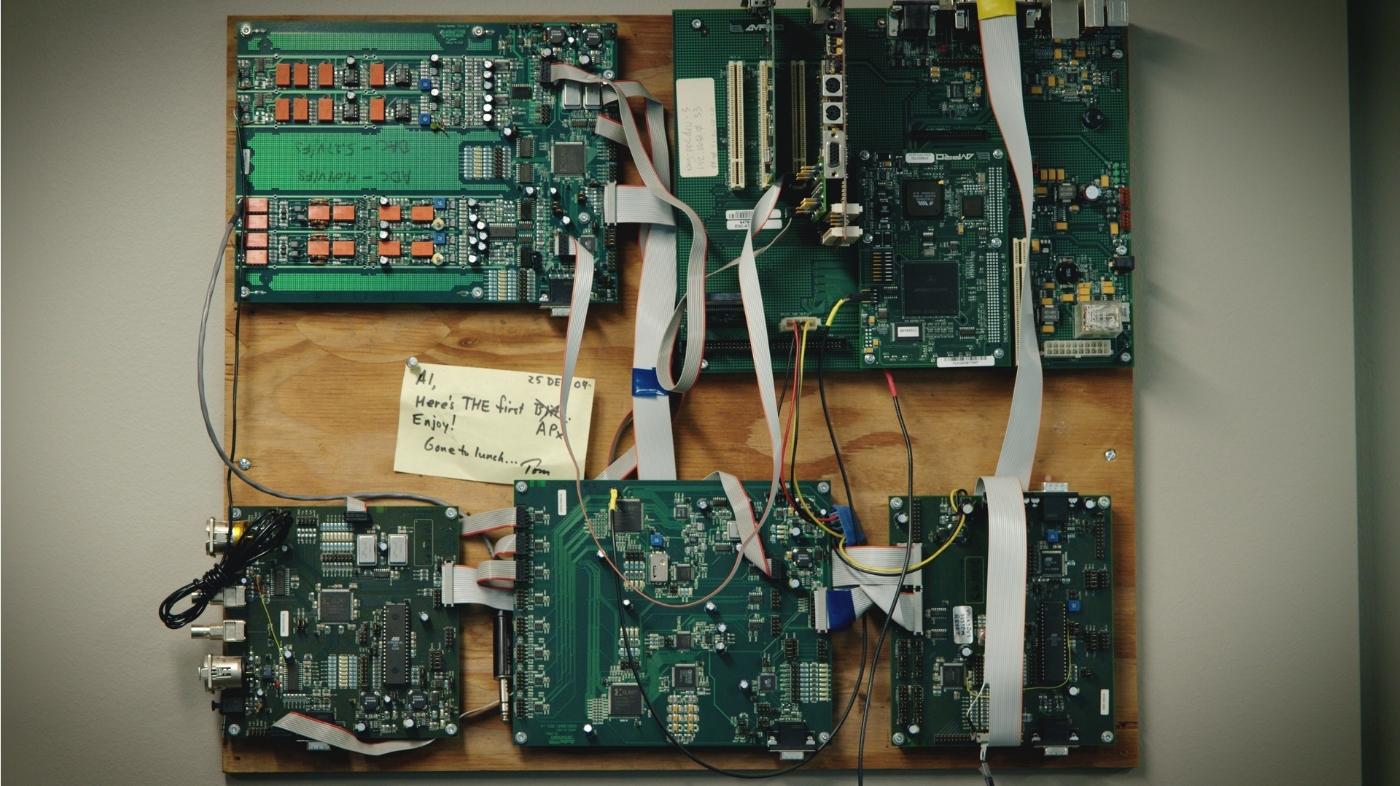
As the audio test market evolved, the need for greater measurement capabilities grew. Audio Precision responded to these changes with our System Two and 2700-Series analyzers, both of which were largely built upon the original System One's architecture. Eventually, the limits of the original architecture were reached, hampering the Audio Precision team's ability to deliver those measurement needs. The need to support a combination of new digital interfaces, multichannel testing, and a measurement-focused user experience drove the team to design a new platform. So, what made the new platform – then known as “Next-Gen” – so different from its predecessors?
1. Modular I/O card interface
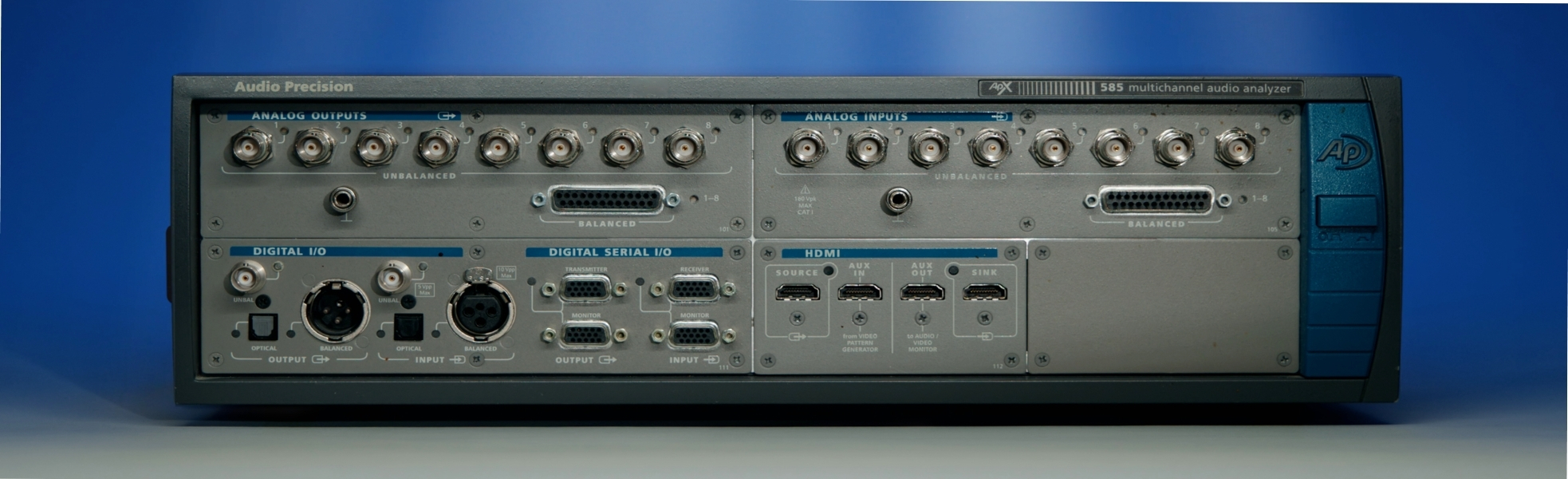
Rather than relying on a system of fixing the input and output hardware at the factory, the APx platform introduced swappable I/O modules. As new audio interfaces emerged, from HDMI to Bluetooth and beyond, Audio Precision could add support by releasing a new module instead of redesigning the analyzer. Customers gained the flexibility to configure an instrument for today's needs without losing the option of expanding or changing its capabilities as their requirements evolved.
2. True multichannel measurement
As products moved from stereo to surround sound, immersive formats, and microphone arrays, the audio industry needed instruments that could keep pace. APx was built from the ground up to measure many channels simultaneously, rather than relying on workarounds like switchers or repeated test runs. Engineers could capture complete results faster, with greater consistency, and with confidence that every channel was being evaluated under identical conditions.
3. Modern, measurement-based UI
Where earlier analyzers organized the interface around instrument functions, APx organizes it around the measurements engineers actually want to make. Users select a measurement, such as THD+N, frequency response, or crosstalk, and the software guides the setup and presents the results. This approach shortened the learning curve, accelerated everyday testing, and made automated sequences simple to build and repeat.
20 More Years? We think so.
In addition to the new defining characteristics which were clearly visible when APx launched, substantial effort went into future-proofing the design. Marking the beginning of a new era for Audio Precision, the platform was designed from the start to carry the company much further into the future than the System One had. As a testament to the engineering prowess that went into building the APx platform, Audio Precision continues to improve the lineup of APx analyzers, adding new capabilities through digital modules, model versions, and constantly improving software in response to changing customer requirements. At twenty years old, we're excited to say that APx shows no signs of slowing down.
Want to know more about the story behind APx? Watch our video celebrating 20 years of this benchmark-setting instrument series.
More from Audio Precision


